
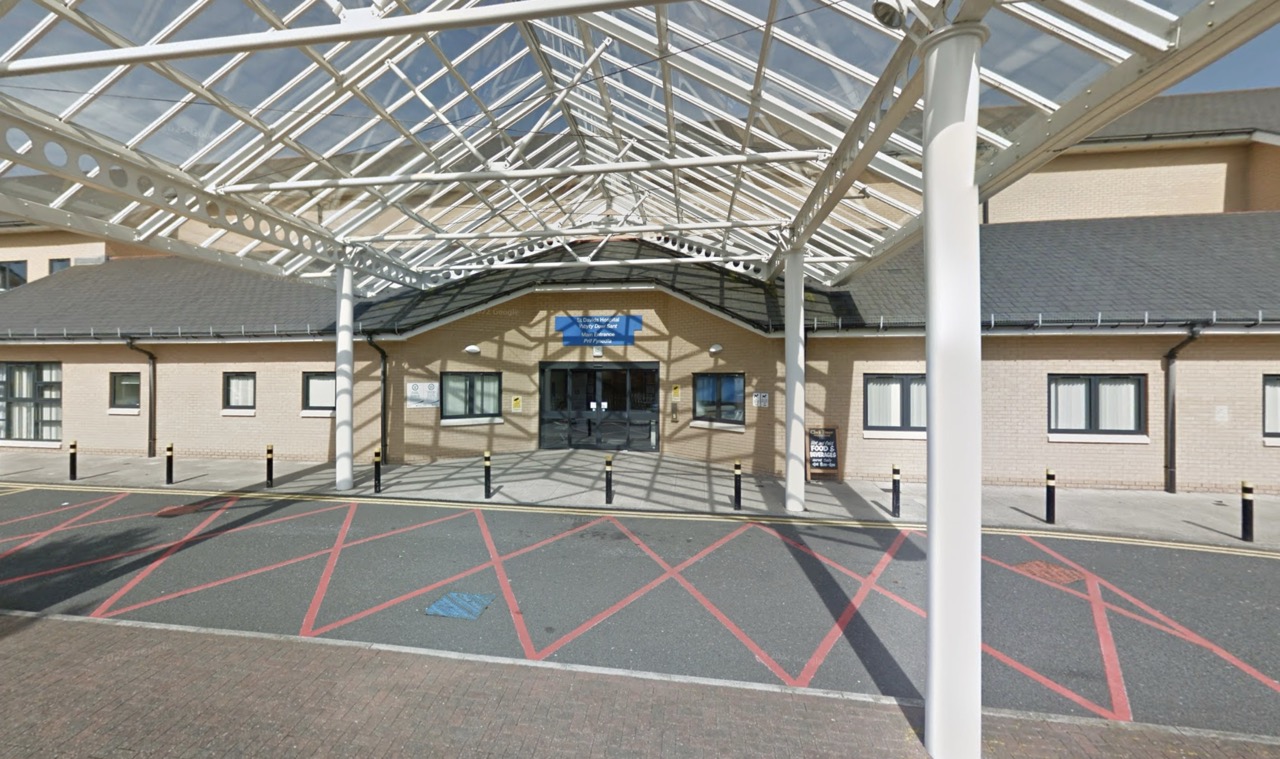
Around sixty people whose gender surgeries were cancelled by NHS Wales are expected to have a review into their necessity completed by the end of December. NHS Wales is currently undertaking an “urgent independent clinical review” of all patients on the Welsh Gender Service surgery waiting lists due to, among other things, its incredibly high surgery referral rate compared to the rest of the UK.
Juliet Brown, NHS Wales Joint Commissioning Committee’s Chief Commissioner, has provided an update on the status of the Welsh Gender Service ahead of a full meeting of the NWJCC on Tuesday next week. Brown reports that “approximately” sixty people who were due to go for mastectomies, vaginoplasties, phalloplasties or related surgeries had their procedures postponed in August. NHS Wales now says it is moving fast so “surgery, if appropriate, is reinstated as quickly as possible and that all those impacted are supported effectively through the process.” NHS Wales’ priority is “to bring certainty these people as quickly as possible”
The independent clinical review panel has been appointed, and, subject to “final governance approval”, will begin its work on Tuesday. The Chief Commissioner is “confident” all sixty people who have had their surgeries postponed can be reviewed before the end of December.
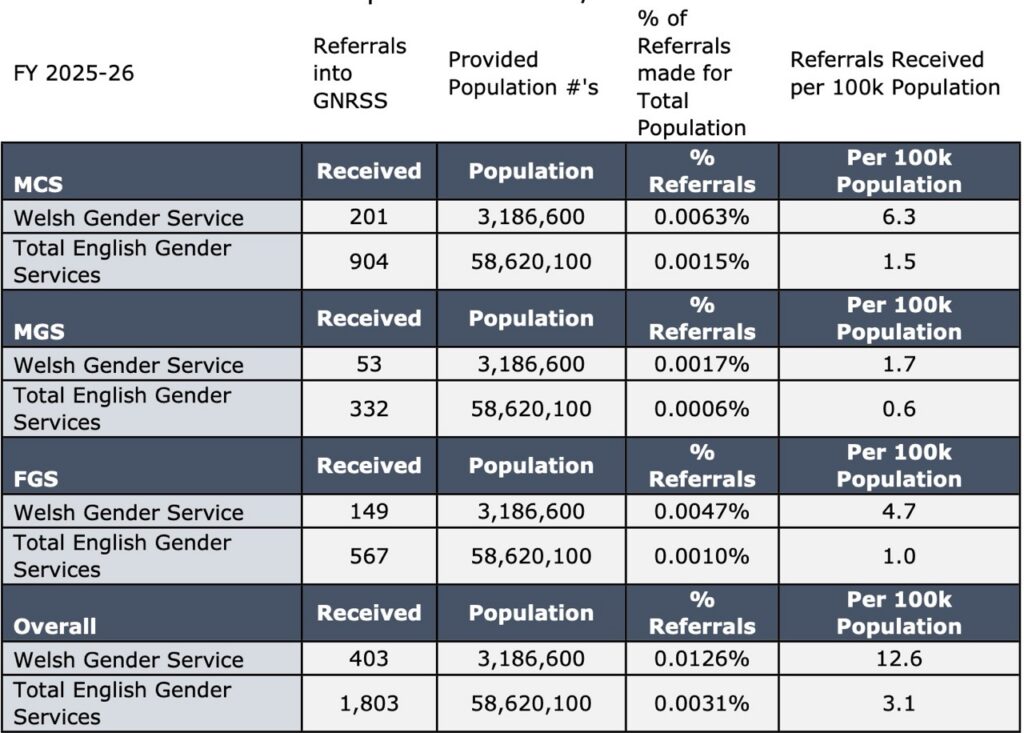
In newly-published information for 2025/26, it appears WGS was referring people at a rate “varying between approximately three and five times higher per head of population”, when compared to English gender clinics. See table below:
The Chief Commissioner also states that NHS Wales had received concerns about WGS from clinicians in NHS England who raised queries about the “appropriateness of referrals and clinical suitability. Such concerns have been echoed in complaints and correspondence received from members of the public.”
Escalation
A separate NHS Wales briefing publication for Tuesday’s meeting also notes that only 36% of people listed for the euphemistically named Masculinising Genital Surgery (which can involve sewing a tube of fat and skin into a woman’s genitals) actually proceeded to surgery. This figure is “an outlier requiring further investigation”, though NHS Wales is keen to note it “should not, at this stage, be treated as proof that patients have been referred inappropriately.”
The Welsh Gender Service – the only adult NHS gender clinic in Wales – was put in “Level 3 escalation” on 26 August. According to the Chief Commissioner, the Level 3 escalation in this case only relates to WGS surgery referrals “at this stage”, and does not affect other services the clinic provides, including psychological support, endocrine support and/or cross-sex hormones. There are five scales of escalation, with Level 5 being the most serious.
The Welsh government website describes Level 3 escalation as a requirement “to put effective processes [in place?] to address issues of concern”. These processes – according to the website – are to be managed by the Welsh Government who “will co-ordinate activity, observe, challenge and review progress”.
On Tuesday, the Welsh First Minister, Rhun ap Iorwerth, told the Senedd: “This hasn’t been about Ministers making decisions, this has been the Joint Commissioning Committee… What we need to make sure is that we have a review to understand exactly what has happened based on clinical evidence. That’s what everybody wants to see happening, whilst supporting the trans community in the process.”
The Other Independent Clinical Review of WGS
Aside from the “urgent independent clinical review” for all patients on the WGS surgery list, the Chief Commissioner says NWJCC has finally started its long-awaited “non-surgical independent review” of the Welsh Gender Service, which was initially commissioned in July 2024 and was still being scoped as late as July this year.
This non-surgical review will consider all aspects of the service, including quality and clinical governance elements “primarily on assessment, referral and non-surgical aspects of the pathway, while considering relevant pathway interfaces and engaging key stakeholders, including health boards, partner organisations, patients and carers.”
Initial findings from the non-surgical review are expected before the end of the year.
After years of warnings from families, campaigners and clinicians, the WGS is finally facing some level of scrutiny. The story behind those “significantly higher” referral numbers will be of considerable interest, both inside and outside the NHS.
My work for this blog is funded by donation. If you would like to make a one-off or regular monthly contribution and receive the Gender Blog newsletter and blog posts in your email inbox you can sign up here. Your email address will be stored securely and confidentially, never given to a third party and will only be used to inform you about things I think are interesting. If you have a story, please use the contact form. All messages go directly and securely to my email inbox and will be dealt with in the utmost confidence.
Leave a Reply