
Whistleblower told NHS Sussex and NHS England of problems with Dr Sam Hall’s methods and was accused of transphobia.
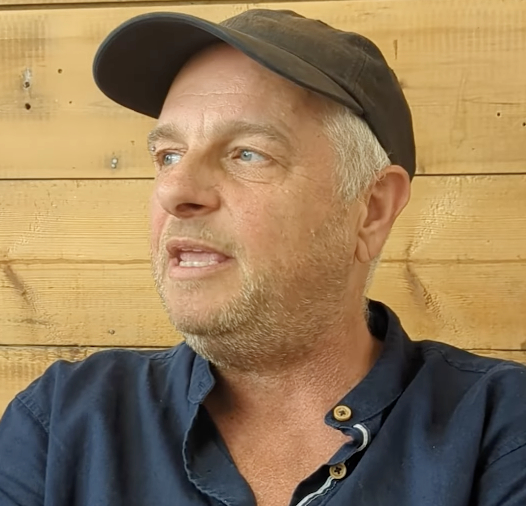
An NHS Doctor raised the alarm about the activities of Dr Sam Hall in 2020, a full five years before NHS Sussex started an investigation into Brighton’s WellBN clinic – which concluded it had it caused “actual potential harm” to its young patients and “fell substantially below” the professional standards of care required.
Dr Sarah Redvers claims that as a result of her whistleblowing in 2020, she was victimised, accused of transphobia and put under investigation. Redvers is currently taking NHS Sussex to employment tribunal, and began giving evidence under oath at the London South Employment Tribunal in Croydon today.
Documents relating to the case have been released under court order. Please note that some of the allegations made in Dr Redvers’ witness statement have yet to be tested in cross-examination, and may be withdrawn or ruled unlikely or untrue by the tribunal judge in her eventual ruling. I have characterised matters as fact where they are either unlikely to be controversial or supported by documentary evidence, and I have reported allegations accordingly.
Prescribing Beyond Scope
Initial concerns about Dr Hall were raised in August 2020 to Sarah Redvers by Dr Rebecca Richards, a GP in Worthing. Richards was treating an anorexic patient with mental health difficulties who had been prescribed testosterone by Helen Webberley at Gender GP. Richards was deeply unsure about the patient’s suitability for testosterone and had contacted GenderGP for more information. Dissatisfied with the response, she contacted Dr Hall, as Hall had recently worked at Dr Richards’ practice and was known to have an interest in gender medicine. Hall is a transgender female, and uses male pronouns.
Richards was so alarmed by Hall’s approach to prescribing and patient care, she contacted Redvers who was, at the time, the Named GP for Safeguarding at NHS Coastal West Sussex Clinical Commissioning Group.
After several discussions with Richards and others, Redvers decided to formally escalate the matter. On 17 August 2020, Redvers wrote to Dr Hannah Davies, the Medical Director for NHS West Sussex and Naomi Ellis, the Deputy Director of Safeguarding at NHS West Sussex. In her email, Redvers told them about “information given to the Worthing GP [Richards] by another practitioner, a GP in Brighton [Hall].”
Without naming Hall, Redvers wrote that the “GP in Brighton” was “known to have an interest in transgender healthcare, and had recently done his GP training at the Worthing practice.” Redvers told her superiors the information she had received “raises a reasonable suspicion that this practitioner may be prescribing beyond the scope of his role, and he is not believed to have had the required training as laid out by the General Medical Council (GMC).”
Redvers told the tribunal today she is gender critical, and in her witness statement for this trial, says she considers herself “a member of the LGBTQ community”. In 2020, Redvers told Davies and Ellis that although she had never worked with Hall, she happened “to know of him in a social context, and we have mutual friends. He is a well known trans activist in Brighton who publishes about personal and medical issues and he is active on social media. He was a Consultant Anaesthetist at BSUH. I believe there were allegations of transphobia and there was an employment tribunal after which he left, and he has more recently completed his GP training.”
In her email Redvers wrote that having made her referral “I will ask to be treated as a Whistleblower, as the local & social fall out for me could be considerable.”
How right she was.
The Discrimination Card
Davies and Ellis told Redvers to escalate her concern to NHS England. Redvers found herself talking to Dr Claire Cochrane-Dyet, the Deputy Medical Director at NHS Improvements and Professional Standards. Redvers told Cochrane-Dyet about Hall’s apparent “absence of appropriate training, lack of assessment of patients, lack of appropriate supervision and the failure to follow GMC bridging prescription guidance” when it came to doling out the puberty blockers and hormones.
“It appeared to me”, wrote Redvers, in her witness statement, “that this practise represented inadequate care of gender-distressed patients which could cause harm and was therefore a patient safety issue. I also knew from NHS England’s guidance that failing to act on matters of patient safety may be considered serious professional misconduct, which could put my own registration at risk.”
According to Redvers, Cochrane-Dyet made some enquiries made before returning to advise her that Hall was working closely with the NHS Sussex Clinical Commissioning Group and “only prescribed to patients under specialist supervision”.
In November 2020, Redvers was told by Tom Micklewright, the managing partner at Dr Richards’ GP practice in Worthing, that Hall had set up a Trans Health Hub with the support of NHS Sussex. At the time Hall was working as a GP at the Brighton Health and Wellbeing Centre (later to become WellBN), a GP practice in Hove and was as a trustee of the Clare Project, a charity focusing on LGBTQ advocacy. Redvers was also shown Hall’s 2018 opinion piece in Scene Magazine “Sam Trans Man on Drugs“, in which Hall wrote:
“Prior to transition I was seen as someone who had empathy, and was able to comfort those in need and provide emotional support to those around me. On testosterone I gradually found myself losing these skills, which, I think, must therefore have been learned, rather than innate. My brain is rewiring itself in this second puberty, and I’m having to relearn how to be with people.”
As she says in her witness statement, Redvers was “worried that Dr Hall’s public advocacy on matters in which he has a significant personal investment, coupled with his status as a GP, reasonably raised questions as to whether he could provide objective, evidence-based healthcare to patients.”
She read a subsequent Scene piece Hall had written the day before undergoing phalloplasty surgery, in which Hall had described previous attempts at coming out as transgender. It read: “The light was too dazzling, I couldn’t have coped with the enormity of what it means to disprove the gender identity by crossing the uncrossable divide. The chasm that we’re all so sure of, live our lives by; it doesn’t exist.“
Redvers describes this passage as “quasi-religious”. In December 2020, Redvers followed up the concerns she had raised that August. As a result, a fuller investigation was commissioned, to be carried out by a Dr Warshafsky, who allegedly told Redvers the “optics looked bad” regarding Dr Hall’s ability to provide the service he was providing. Warshafsky also allegedly expressed concern that Hall would “play the discrimination card” if investigated.
Redvers was sent information about some of the children under Dr Hall’s care. One was allegedly being given puberty blockers by Hall and hormones by Gender GP. There were other worrying examples.
Redvers said that by April 2021 “there was a serious problem emerging: it appeared that Dr Hall was practising unsafely and in contravention of the applicable regulations… and new examples of patients of concern were continuing to emerge.”
Before Dr Warshafsky’s investigation concluded, Redvers remained “extremely concerned about Dr Hall’s practise, and those concerns were escalating as more examples of that practise were being discovered.” Redvers considered she now had a “professional obligation” to refer Hall to their regulator, the General Medical Council.
In March 2021, Redvers made the referral, saying now “I was worried I should have done so much earlier.”
Everything’s Fine, Dr Transphobe!
In May 2021, Dr Warshafsky concluded, after reviewing the “full scope” of Dr Hall’s practice, that there were “no causes for concern”. He told his investigation commissioners “patients were having a holistic assessment of their condition, bridging prescriptions where issued were being managed in accordance with guidance (GMC specifically), patients were being managed in accordance with the GMC’s Good Medical Practice, monitoring was being done appropriately for the required biochemical markers, and appropriate records were being made and retained.”
Redvers says this conclusion was not supported by the evidence.
In his report, Warshafsky noted “one colleague whose persistent interest in the issue appeared disproportionate” and that the “amount of probing by this individual” made him feel “uncomfortable”. Redvers said this had to be a reference to her as “there was nobody else to whom it could apply”.
As soon as Hall saw Dr Warshafsky’s conclusions (in as-yet unexplained circumstances – Hall wouldn’t normally get to see a report of this nature), Hall raised a complaint against Dr Redvers and the NHS West Sussex safeguarding team, claiming they were transphobic. Hall said the safeguarding team had “risked creating further barriers to accessing healthcare for [a] vulnerable patient cohort rather than aiming to achieve a reduction of the current healthcare inequality suffered by trans and non-binary adults and children in Sussex.”
The allegation of transphobia, said Redvers, was “particularly damaging”, for three reasons, which were:
Personal: “I had lived and worked in Brighton for many years and had built my life around the city’s diverse and inclusive communities. My professional identity, friendships, social life and sense of belonging were all rooted there. The label of transphobia fundamentally changed how I experienced aspects of my life, and altered my sense of safety, my relationships and my ability to participate in the community that was my home.”
Cultural: “Brighton has a unique social and cultural environment. It is widely recognised as one of the UK’s most LGBT-inclusive cities. An allegation of “transphobia” is particularly damaging in Brighton, since it as an allegation of a form of discrimination which is particularly “anti-Brighton” given the culture and character of the city as being LGBTQ+ friendly. This aspect of Brighton’s culture is something that I value deeply and is something that I entirely embrace.” and,
Professional: “The allegation of transphobia is particularly damaging for a doctor: there is a larger than average trans population in Brighton, and it is important that they can come to their doctors for advice and treatment. Where a doctor is labelled as transphobic, it can mean that people who need medical help don’treceive it because they won’tsee their doctor. This doesn’t just extend to an allegation against their own doctor; they may refuse to visit a GP practice if another doctor who also practices there has had such an allegation made against them.”
Completely Reversible
Nonetheless, Redvers, driven by her concern for safeguarding, persevered. She discovered Hall was diagnosing using WPATH guidelines, an organisation she had not come across before. Dr Redvers reviewed WPATH’s Standards of Care 7 and found herself “surprised”. She considered it “not a medical or an evidence-based document, more of a social document, and seemed unsafe to be applying in general practice single-handedly.”
Redvers also found a positioning document Hall had written, subsequently endorsed by NHS Sussex, which described puberty blockers as “a completely reversible intervention with no known long term consequences as yet” and stating it was not appropriate to use the word “experimental” when describing puberty blockers due to apparent “weight of data from overseas” which demonstrated their efficacy. Redvers disagreed with Hall’s characterisation of puberty blockers as “completely reversible”, which she says was borne out by the evidence available at the time.
Whilst this was going on, Adam Doyle, the CEO of NHS Sussex, released a joint statement on trans inclusion with the Clare Project, of which Dr Hall was a trustee. Doyle and the Clare Project stated they had “a ‘zero tolerance’ approach to transphobia and discrimination in our workplaces and services” with Doyle adding “we can all take steps to becoming a trans ally by educating ourselves; listening to our trans colleagues and patients and avoiding assumptions.” The statement was posted on the Sussex Community Foundation Trust website. Redvers thought this PR activity was drafted with her in mind.
The GMC agreed to investigate Hall, but refused to anonymise Redvers as the complainant. On 15 July 2021 the GMC closed the complaint “with no action”.
The readout of the chronology around the investigation from the GMC “case examiner” is interesting. It notes that after her initial complaint to the GMC, Redvers followed up with more information later in March 2021, telling the the GMC that “Hall had stated that he had been prescribing puberty blockers for eleven children, ten of whom have now reached their 16th birthday. Dr Hall is reported to have stated that he is prescribing for one of the children without the parent’s knowledge.”
The GMC case examiner also recorded making an approach to Dr Cochrane-Dyet, the Deputy Medical Director at NHS Improvements and Professional Standards. Cochrane-Dyet had told the GMC “how Dr Redvers had raised two concerns with NHS England in the past year regarding Dr Hall’s management of gender dysphoria patients. She [Cochrane-Dyet] outlined how, on both occasions, they had investigated the concerns and found no professional standard concerns.”
The GMC chose to rely on Dr R Warshafsky’s nothing-to-see-here conclusions. The case examiner wrote:
“We have reviewed all of the available evidence in this case and it is apparent that following disclosure of the local NHS England investigation report that Dr Redvers’ concerns were investigated and that the findings concluded that there were no professional concerns identified in relation to Dr Hall’s practice. We have attached weight to Dr RW’s report findings which appear to address the entirety of the concerns raised by Dr Redvers. The report acknowledges that Dr Hall has recognised expertise; that there is appropriate supervision in place; that patients are being managed in accordance with Good medical practice; that Dr Hall’s record keeping is appropriate; and that there is appropriate biochemical and haematological monitoring in place.”
Dusty Gets Dirty
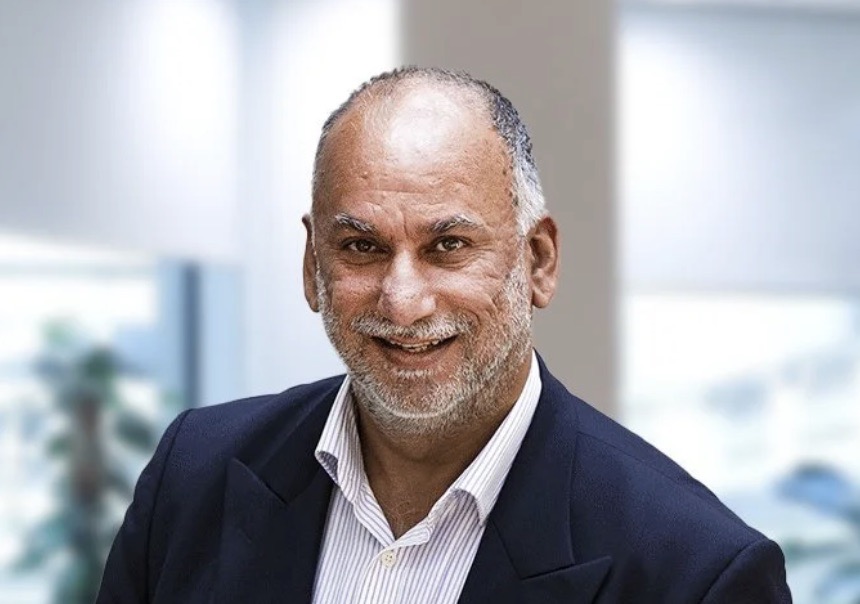
By July 2021, the tables had been turned. Sam Hall was no longer under investigation, but Sarah Redvers was. The person appointed to conduct the investigation of Hall’s complaint to NHS Sussex was Dusty Amroliwala OBE. Redvers says: “No documents have been disclosed which explain how Mr Amroliwala was chosen for this role, or when, but… it was clearly very quickly. I subsequently learned that Mr Amroliwala was the business partner in a consultancy firm with the complaints manager, the Chief People Officer, Mark Power [with] Mr Amroliwala omitting the consultancy firm from his CV.”
Amroliwala had had no medical training, though he had been chair of North Middlesex University Hospital Trust and had undertaken a review of serious incidents in a large Acute Trust in London. Adam Doyle is alleged to have signed off both Amroliwala’s appointment and the scope and scale of his investigation. Redvers alleges “the process was far larger and generated a far larger output than the Warshafsky Report. I believe that the reason for this was that the Respondents [NHS Sussex and Adam Doyle] sought to punish me because of the allegation in Dr Hall’s complaint that I had irregular motivation (i.e. transphobia) in escalating safeguarding issues.” Dr Hall had sight of, and was allowed to make comments on, the terms of reference for Amroliwala’s investigation
Despite asking for it, Redvers was not given sight of Hall’s complaint. She found this “strange and worrying”. She decided to try to get help from the doctor’s union, the British Medical Association, during which she explained to her rep that she held gender critical views which were, thanks to Forstater, protected beliefs. Redvers spelled this out to her rep because she was “conscious that I was being falsely painted as a transphobe and worried that this might be shaping what I saw was a strange approach: not providing me with the complaint I was being investigated for, the procedure being agreed with the complainant, who had disclosed my sexual orientation to the Respondents without my consent, and the investigation being carried out by someone whose qualifications were unclear to me.”
In September 2021, Redvers was invited to an interview with Dusty Amroliwala at Hove Town Hall. She asked for sight of the documents which would be referred to in the course of the meeting. Her request was refused. The meeting itself, recalls Redvers, was “hostile”. It lasted over four hours and “was carried out like an interrogation. I was subjected to degrading treatment whilst offered no support. Mr Amroliwala acted in a biased, accusatory way, asking me at one point if I sought to ‘stand down’ from my role and accusing me of using the whistleblowing policy as a ‘guise’. The manner of my interview was such that it had to be stopped, and my partner, who had accompanied me, had to ask Mr Amroliwala to leave the room due to my distress.”
Redvers made a written complaint to Mark Power, “which was not addressed”. Redvers, it seems, was not alone in making a complaint. Other interviewees spoken to by Amroliawala also complained. Redvers refused to sign off Amroliwala’s 40 page note of her interview because she was so distressed she couldn’t recall it. She asked for the audio recording taken by Amroliwala. He initially allegedly refused to give it to her. It was only handed over on 22 December 2021, two days after Amroliwala’s report had been completed and handed to Adam Doyle. Doyle allegedly treated Amroliwala’s notes of his interview with Redvers as a true record. Doyle then allegedly shared Amroliwala’s report with NHS England Professional Standards, along with a request it form the basis of a Professional Standards case against Denvers.
Redvers submitted a grievance complaint against Amroliwala in Jan 2022. Samantha Durrant was appointed to investigate. The terms of reference for that investigation envisaged the process being all wrapped up by the end of March 2022. Redvers did not get a meeting with Durrant until 21 Feburary, during which she alleged there was a political agenda behind Dr Hall’s complaint, that Amroliwala’s approach had caused people to step down and resign, and that his methods and conclusions were a case for constructive dismissal. She told Durrant Amroliwala had an agenda to “fit me up” from the start.
Durrant found in favour of Redvers on 14 counts, resulting in an apology from Power and Doyle, though she says various recommendations – including one for compensation – were ignored.
Depression and Anxiety
Redvers’ mental health suffered. She spent three months in the middle of 2022 off sick. “My mood was low,” she wrote, “I experienced poor sleep and weight loss. I started regular antidepressant and anti-anxiety medication from my GP which I had not ever had to use previously and some of which I occasionally use today.”
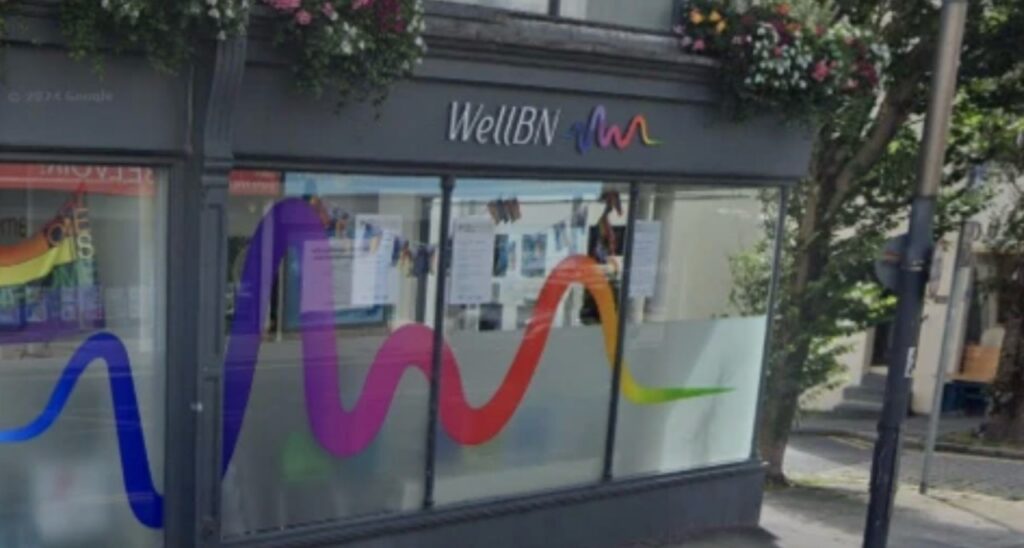
By this stage, Dr Sam Hall was clinical lead of the WellBN clinic. Hall and other WellBN clinicians were treating children, something which Redvers alleges was outwith WellBN’s original purpose, as set down by NHS Sussex. Redvers alleges Hall’s treatment of children was well known to NHS Sussex and NHS England.
In July 2022, Hall’s WellBN practice was rated “inadequate” by the Care Quality Commission. Redvers’ safeguarding team was asked to provide immediate safeguarding training and support to Dr Hall’s practice. Redvers felt unable to do this as she felt Hall would be quick to raise another complaint against her, whatever she did. Despite the inadequate rating for Hall’s practice, Hall was appointed to the NHS Sussex Health Improvement Board.
Redvers says “I felt at that point that I had done as much as I could raising concerns about Dr Hall’s practise, all of which were ignored, and that were I to raise any others the effect on both my health and my career would be catastrophic.”
In January 2023, after a phased return to work. Redvers lodged a claim for personal injury against NHS Sussex. She received an admission of liability in October2023, was assessed by a psychiatrist and began to received EMDR (Eye Movement Desensitisation and Reprocessing) therapy, which, she said “helped with the trauma-type symptoms I experienced specifically relating to the Amroliwala interview.”
Redvers resolved to get her head down and continue with her work on the safeguarding team.
In 2024, the Cass Review was published, prompting a widespread revision of NHS policies towards children presenting with gender dysphoria. Puberty blockers had already been banned by NHS England (NHSE) on Cass’s recommendation and now cross-sex hormones for under 18s were also banned. Sam Hall carried on regardless, later telling Sophie Molly, on the North West Bylines blog:
“After NHSE issued guidelines about hormone prescriptions for under 18s in the Spring of 2024, WelIBN practice did not change. We continued making best interests and ethically sound decisions on a case by case basis. In addition, the mechanism by which NHSE suggested hormones might be prescribed, didn’t actually exist and still doesn’t. The old GIDS clinic [at the Tavistock] was crushed, the new ones not yet up and running; although they now are, many of our patients are refugees from these new clinics which offer only psychological support with a desired outcome being “not trans”. I struggle to think of another healthcare specialty or arena that has national clinical policy issued by NHSE restricting people’s autonomy in this way, or telling doctors what they can or cannot do to the point of discriminating against a marginalised community like this.“
NHS Sussex’s “Uh Oh” Moment
In 2024, a father of a child who had been treated by Dr Hall applied for a judicial review of what was going on at the WellBN clinic and NHS Sussex. Redvers believes (and she’s not the first to say this) that it was only as a result of this litigation that NHS Sussex started realising they may be held to account over WellBN’s practices. A hastily convened investigation found the clinic was “prescribing specific medications at considerably higher rates (>80% more) than the average for general practices” across the NHS Sussex area.
According to documents on its website, in November 2024, NHS Sussex “convened an internal multidisciplinary team to review the prescribing and to further understand how the practice was operating, considering whether it was working outside of the usual governance framework of the local formulary and national guidance for Primary Care prescribing.” The team escalated its findings to NHS England and in May 2025 “it was agreed that an Independent Patient Safety Investigation (IPSI) would be undertaken.” Hall left WellBN in July 2025 with the surgery’s “best wishes” recorded on the NHS Sussex website.
Redvers says the IPS investigation only considered the records of 78 children treated by Dr Hall and the WellBN clinic. “It did not consider more than 2,000 other children who had been treated at WellBN but were older than 18 by the time the report was commissioned in 2025 and were therefore out of the scope of the investigation.”
The Patient Safety Investigation Report was completed in May and published in June of this year. It concluded that WellBN caused “actual potential harm” to its young patients and “fell substantially below” the professional standards of care required.
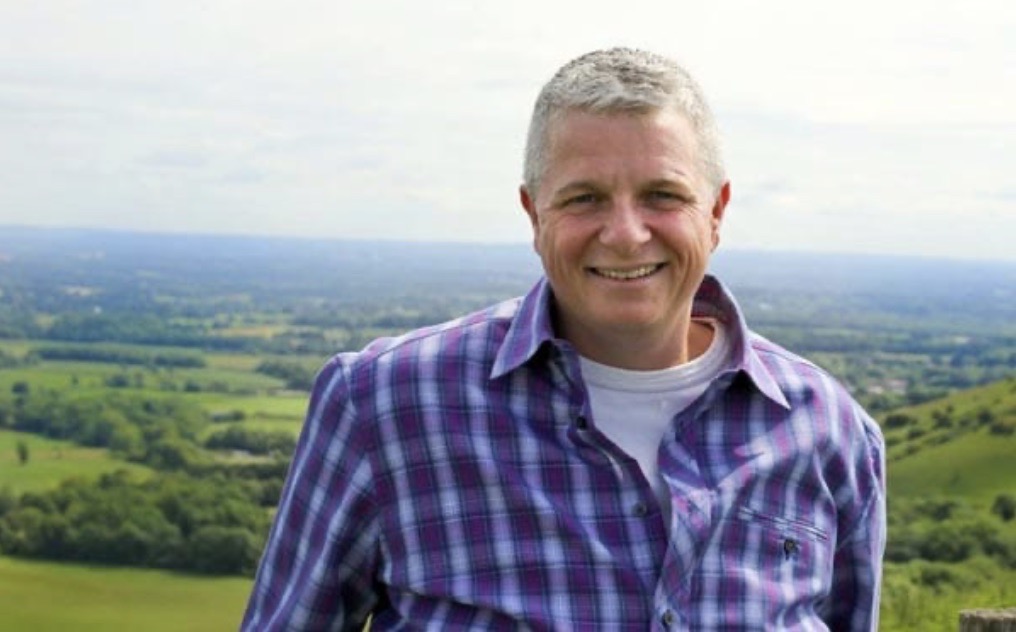
It also said record keeping was “poor and disorganised”, staff “failed to safely practice within the limits of their competence” and “puberty blockers and gender enhancing medications were prescribed without a comprehensive bio-psychosocial assessment (in 22 cases without even face-to-face appointments having taken place)”. More here.
Redvers says “none of these children would have been harmed had my concerns from 2020 onwards not been labelled as transphobia and been considered objectively.”
Redvers points out the IPSI report did not mention NHS Sussex’s endorsement of Dr Hall’s methods “as detailed in the Warshafsky report… nor is the development of Hall’s ‘trans health service with oversight from Sussex [NHS] Commissioners’” given a mention.
Redvers says the IPSI report presents Dr Hall and the WellBN practice “as being run without the knowledge” of NHS Sussex or NHS England, which Redvers says “is misleading because NHS Sussex and NHS England were fully aware of how Dr Hall was practicing”.
Fundamental Conflict
Redvers is claiming constructive dismissal against NHS Sussex, the Respondents in this tribunal, alongside their former CEO Adam Doyle, “because I could not work for an organisation which had created and would not address a working environment in which I would be subjected to false allegations of transphobia, and which would in all likelihood recur. The reason for those allegations was because I had raised substantive and justified safeguarding concerns over a number of years, which were substantiated by the [IPSI report] in 2026.”
Redvers notes “the fundamental conflict between activists’ demands for transgender medicine and the evidence-based model. The Respondents’ actions were effectively to adopt a side in that conflict against the evidence-based model. Those actions were a direct result of an organisational attitude towards trans right activism which wholesale accepted the tenets of that activism, to the detriment of patients. I believe that the Respondents did this in a misguided desire to comply with a misunderstood concept of equality, diversity and inclusion. It was politically expedient to do so, particularly in the context of Brighton and Hove.”
Redvers goes on to say “as crucial as it is, Equality, Diversity and Inclusion (EDI) is not paramount: ultimately the most important aspect of the practice of medicine is ensuring that medicine is practiced in a safe and effective way, and that this is underpinned by evidence. The Respondents elevated their own particular interpretation of EDI above the principle of effective, evidence-based medicine.”
Redvers insists that “the concerns that were raised about that practice were not motivated by anything irregular but by a belief in the integrity of evidence-based medicine. The fact that I see evidence-based medicine as a non-negotiable core of medicine –and that this was so important to the role of Named GP Safeguarding Lead – had the effect that I was placed in direct conflict with the organisation and forced out. There is no other explanation for their conduct that I can identify. Even after I lodged these proceedings, I offered to settle this claim for £1 in exchange for actions from the Respondents which would not have caused them, or patients, any harm – but trather than accept that offer, they have instead litigated it to a conclusion.”
NHS Sussex accept no liability for Redvers claim and are seeking to have it dismissed. Interestingly, they are doing so by trying to argue that evidence-based medicine is little more than a belief which the NHS does not have to be bound by. We’ll see how that works out over the course of the tribunal.
Live tweets of Redvers v NHS Sussex and Adam Doyle are being provided by Tribunal Tweets. You can find their substack page here and read them on X here.
My work on this website is entirely funded by donation. If you would like to make a one-off or regular monthly contribution and receive the Gender Blog newsletter and blog posts in your email inbox you can sign up here. Your details will be stored securely and confidentially, never given to a third party and will only be used to inform you about things I think are interesting. If you have a story, please use the contact form. All messages go directly and securely to my email inbox and will be dealt with in the utmost confidence.
Leave a Reply