
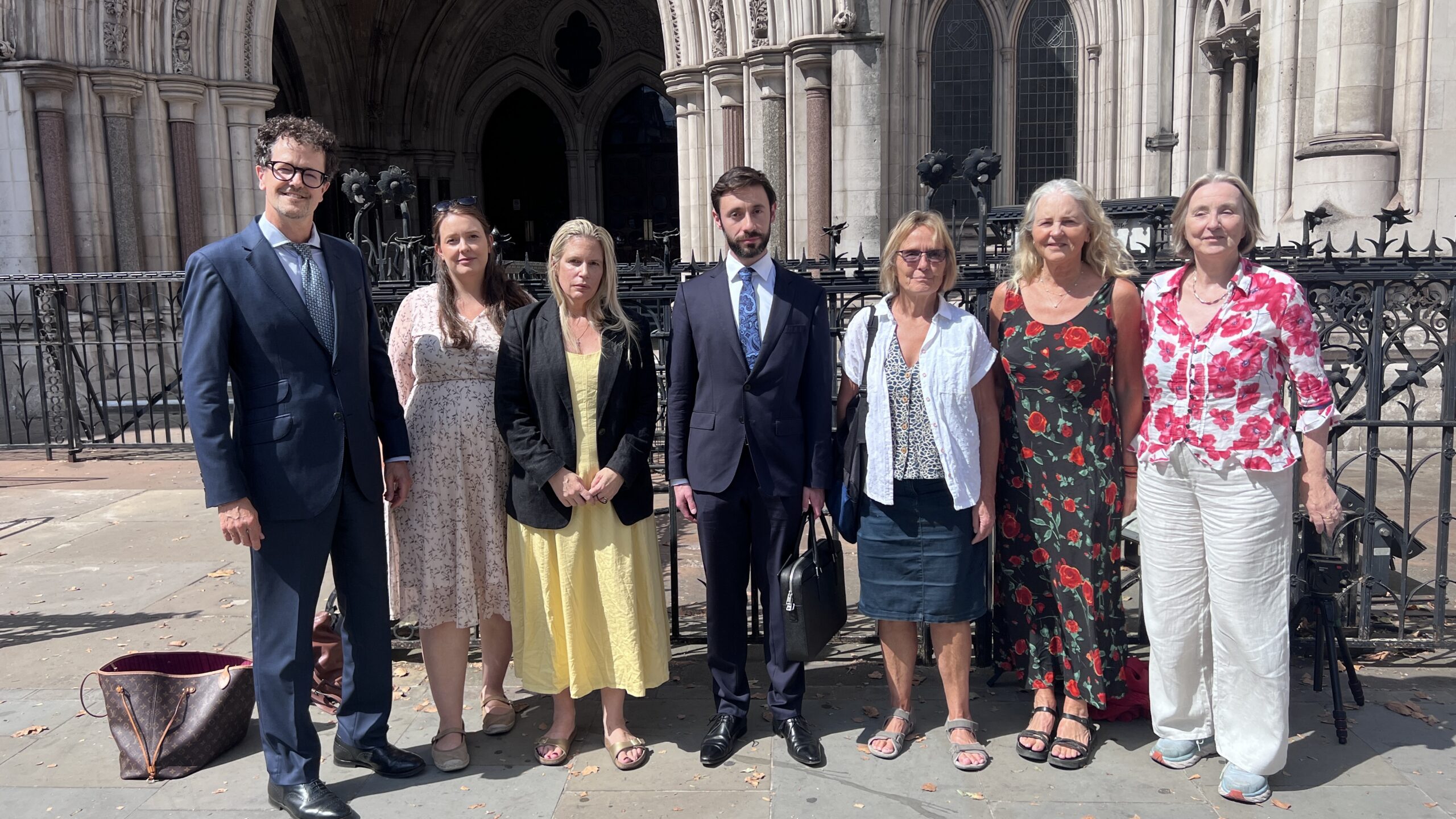
The attempt to stop the Pathways puberty blocker trial at the High Court has failed. After a two day permissions hearing earlier this week, Mr Justice Chamberlain refused to allow the application to go to full review on the basis that “none of the grounds of challenge has a realistic prospect of success”.
The Bayswater Group (parents of transitioners), James Esses (psychotherapist) and Keira Bell (detransitioner) sought to have the Pathways trial blocked on the basis that:
- There wasn’t a clear plan for what happens to the children coming out of the trial.
- The trial sponsors could not say whether there would be any benefit to the children taking part in the trial.
- The Health Research Agency (HRA) withheld information from the independent Research Ethics Committee.
- There were flaws in the decision-making process which approved the trial.
- The decision to approve the trial was irrational.
- Adequate reasons for approving the trial were not given.
After reviewing 13,000 pages of evidence from both sides, Chamberlain decided to accept the arguments from the Department of Health and the HRA on all points. He also ruled that “even if permission had been granted on one or more of the grounds which could lead to the quashing of the authorisations” the application to stop preparations for the trial would not be allowed, given “the harm that would be done to the public interest and the interests of Trial participants… firmly outweighs any harm that might accrue to Trial participants”.
Outside court James Esses said: “As both a psychotherapist who treats these children and a new father I’m devastated.” Esses said the result “doesn’t negate just how dangerous and unethical this trial is.”
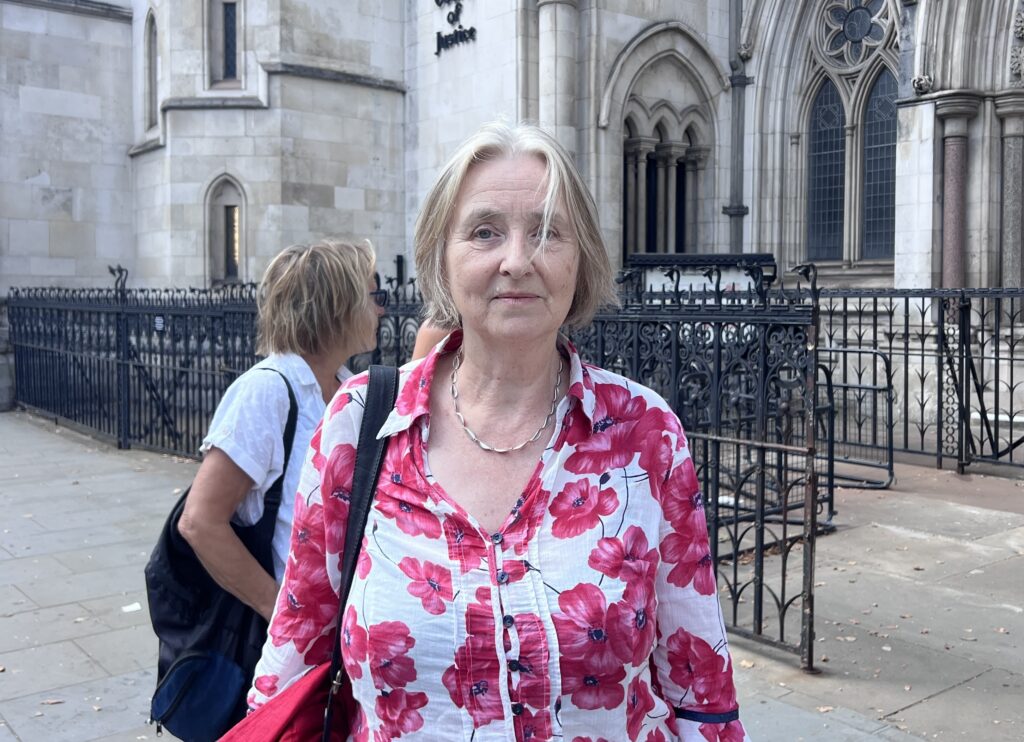
One of the organisations which formally raised the alarm about the trial was the Clinical Advisory Network on Sex and Gender. Dr Louise Irvine is one of CAN-SG’s founders. She said “the outcome is extremely disappointing. I was looking forward to having a judicial review of the decision to approve the Pathways trial, because I believe it really puts children at risk. Clinical trial regulations state that potential benefits must outweigh the risks. I think the regulators, and also the trial and sponsors, seriously downplayed the risks and minimised them.”
Deferential
Dr Irvine wasn’t impressed with Mr Justice Chamberlain, telling me “I’m not sure that he adequately understood the seriousness of the criticisms that we made about the regulators, because the regulators, if you read the documentation, were shoddy, casual… they were pretty deferential to the trial sponsors. They didn’t ask searching questions, they didn’t seek really good, expert opinion from wider sources.”
Transgender Trend’s Stephanie Davies-Arai, a long-term campaigner against medical interventions on gender dysphoric children was also in court today. She said Transgender Trend thought the Pathways trial didn’t meet “international regulations for medical trials on children.” Davies-Arai personally thought the trial was “unsafe and no matter how much they try to blind us with science and the amount of rigour involved… in passing it for ethical approval, all of that is really meaningless if it doesn’t meet international standards, which I don’t think it does. It’s an experimental treatment.”
As the judge wrote in his summary, “the Court’s function is not to say whether it agrees with the decision under challenge, but rather to examine whether the defendants have exercised their functions contrary to the legislative scheme or otherwise unlawfully.”
Over a swiftly-written, 45-page judgment (given he had just two and a half days to pull it together), Mr Justice Chamberlain decided the decisions made by the multiple bodies involved in designing, approving and reviewing the trial had acted properly and within their competence.
Conspicuous Care
He said: “The Trial was commissioned by NHS England and designed by its co-sponsors with conspicuous care, in consultation with other expert bodies. The participants will be children with persistent gender incongruence who are receiving treatment from specialist gender services. Each child will have been assessed over many months by specialist doctors. In each case, the treating team will have formed the opinion that the child has a reasonable prospect of receiving a clinical benefit from the treatment. There is a detailed process to ensure that the child assents and a parent consents to the treatment, having been fully informed of what it involves and of its potential outcomes.”
During the hearing on Monday and Tuesday, much was made of the rules for clinical trials which state that to test drugs on children there must be “some direct benefit for the group of patients involved”. The Claimants said this simply could not be shown. The judge disagreed with the construction of the Claimants’ argument, stating “in ordinary parlance, an intervention which offers a reasonable prospect of achieving a gain in terms of quality of life does offer a direct benefit to the patient.”
As to the facts, the judge ruled that “although Dr Cass said that the evidence that Puberty blockers confer a benefit was very weak, she did not say that there was no such evidence. In her witness statement for these proceedings… she noted that “families and clinicians give sufficient anecdotal accounts of benefit from Puberty blockers, supported by the weak but not non-existent evidence base”.
Travesty
The judge found reassurance from the trial sponsors, KCL, who “included in version 2 of the Trial protocol a requirement that the treating physician make the statement… to the effect that, in their clinical judgment, there was a reasonable prospect of benefit” for a child taking part in the trial. That was considered enough by the Medicines and Healthcare products Regulatory Agency’s Clinical Investigation and Trials team and was therefore considered enough by the judge, especially as this assertion would be reviewed by an independent National MultiDisciplinary Team.
Neither Keira Bell nor the Bayswater Group were in court today, but Keira described the outcome as a “tragedy” and makes the point that “The medical profession and morality do not always walk hand-in-hand. If they did, this trial would be out of the question. The push for this trial represents one aspect of a profound descent into the desecration of our humanity. The protection of children should be an inviolate principle, but this clinical trial tells a different story. I know first-hand how much this process breaks you. My story and the story of many others since should have been a big enough warning. A trial has already been conducted and the results were bleak. The bottom line is that responsible adults must protect children from harm.”
The Bayswater Group said: “The court’s refusal to examine whether the special legal and ethical safeguards for research on children were properly applied, only reinforces that existing lack of trust in the regulatory safeguards for children in the NHS.
“We remain of the view that the Pathways trial does not meet the legal and ethical thresholds required for research on children. The design and scale of the study, the known and potential harms of the intervention, and the absence of a sufficient prior evidence base of benefit raise fundamental questions about whether the protective framework for minors has been properly implemented.”
I asked James Esses whether the Claimants would seek to appeal. He said “if we can, we will. We’ve got to keep fighting. And I still hope, in my heart, this government can do the right thing, and make a better decision for the sake of children, but I’m not holding my breath on that.”
I asked what he thought would happen if the trial went ahead as currently constituted. “I suspect we will hear at the end that it was a rip-roaring success… because the way they are measuring success is through these surveys and questionnaires, predominantly, and I suspect many of these children will report feeling much happier in themselves on the puberty blockers, irrespective of any harm – physiologically-speaking – that’s been caused. And also this trial is running for a few years. We’re concerned about the longer-term harm, decades into the future. I have a real concern that if this [trial] begins, the outcome will be that puberty blockers are reinstated as a treatment again. I think that would be a travesty.”
The Department of Health said “The review by Dr Hilary Cass concluded not enough was known about the safety and usefulness of puberty suppressing hormones. In line with the recommendations from the Cass review, the use of these hormones was paused and the trial was set up to gather more data. The safety and wellbeing of young people is paramount and it is vital decisions are based on clinical evidence.”
Read the trial judgment and the press summary here.
My work on this website is entirely funded by donation. If you would like to make a one-off or regular monthly contribution and receive the Gender Blog newsletter and blog posts in your email inbox you can sign up here. Your email address will be stored securely and confidentially, never given to a third party and will only be used to inform you about things I think are interesting. If you have a story, please use the contact form. All messages go directly and securely to my email inbox and will be dealt with in the utmost confidence.


Leave a Reply