
“Two seconds” to diagnosis…
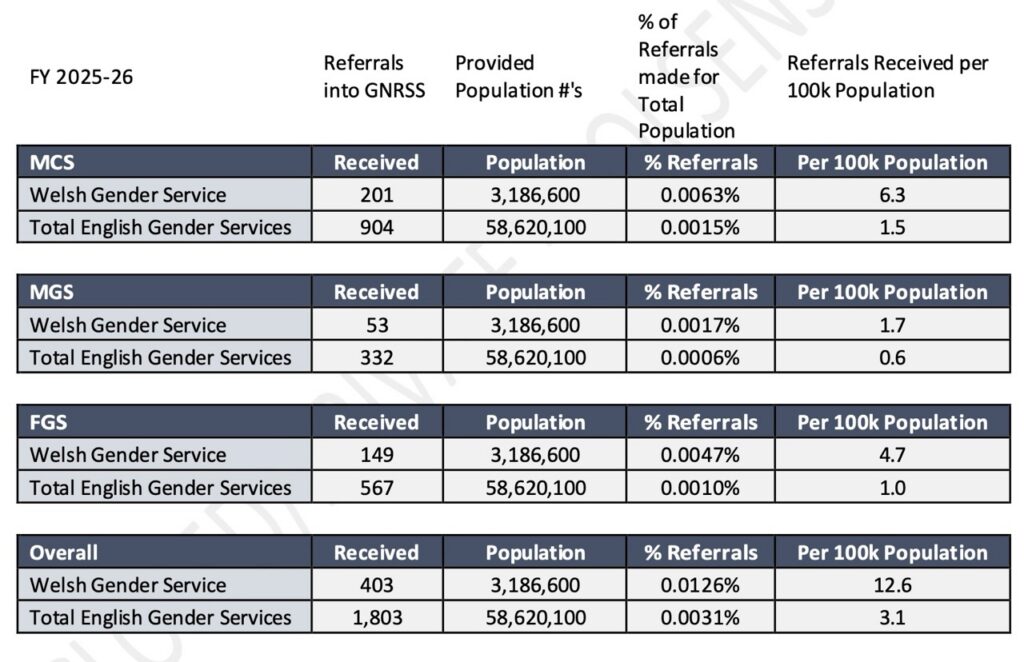
New papers released by NHS Wales and the breadcrumb trail they create has given us more information on why all surgery referrals by the Welsh Gender Service (WGS) have been halted. The decision to suspend all gender surgeries was taken in August by the NHS Wales Joint Commissioning Committee (NWJCC). The main driver was evidence – first set out on this website – that the WGS was referring patients for surgery at a far higher rate than its equivalents in any other UK nation.
We now have more information on the additional concerns which led to the decision. One came from information passed to NHS Wales this August by a complainant, who pointed out that assessment measures put in place to safeguard patients with gender-related concerns were weaker in Wales than in England. In the papers published ahead of an NWJCC meeting on Friday, NHS Wales appears to acknowledge this, going one further to contend that “many of the safeguards within the assessment process are not being followed in practice.”
Another reason given for the surgery suspension was an approach, also in August, from what NHS Wales calls a “whistleblower” within the NHS. Dr Joseph Chrysostom had submitted a 42-page dossier about the complete lack of regulatory oversight of gender surgery in the UK and its miss-selling to vulnerable patients by the NHS. Whilst he is not named in the NHS Wales document, Dr Chrysostom has kindly agreed to allow me to identify him as the whistleblower and link to the information he sent NHS Wales on 13 August. You may be interested to know he is also the source behind the information on this website about phalloplasties and vaginoplasties.
In another document, also released ahead of the NWJCC meeting on Friday (and ahead of any conclusion by the independent investigation into what’s been happening at WGS), we learn that a new commissioning policy for gender surgeries in Wales is “in progress”.
Remind Me How This All Works
WGS is the sole NHS provider in Wales with the authority to refer over 18s for gender surgery. NHS Wales’ decision to “pause” the 451 gender surgeries in August has left people understandably confused. Llais, the independent body for patients in Wales reported one respondent who said: “I have been waiting over ten years for surgery and it’s left me feeling so hopeless.” Another told Llais: “We are stuck in limbo. I’m not living, I’m just surviving.”
Assessing the complaint to NHS Wales about safeguarding differences between gender clinics in England and Wales is not an easy process. Various “Service Specifications” in both countries have been issued since 2019. However, some procedures remain consistent.
In the English Service Specifications, first published in May 2019, every patient presenting to their GP as trans must undergo at least two (nominally) independent assessments at a GIC before being able to access hormones. These can be undertaken by clinicians working in the same gender clinic or (more rarely), different gender clinics.
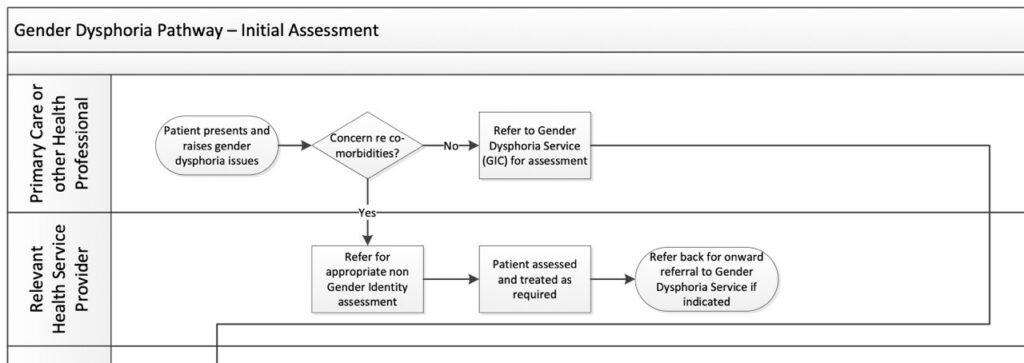
Any co-morbidities (eating disorders, self harm, autism, other physical or mental health conditions) must be taken into account by that GP and potentially referred to specialist clinicians before a referral to a Gender Identity Clinic (GIC) can be agreed. There is a potential loophole in that patients who self-refer to GICs must be triaged before their first formal appointment, but there is no explicit requirement to refer them on to non-gender specialists before their first appointment with a gender clinician.
As well as being able to self-refer, patients in England can also choose which GIC they wish to be treated by. If, after two appointments, the “independent” clinicians agree a straightforward case, gender incongruence/dysphoria can be diagnosed and a patient can be prescribed hormones. Alongside hormones, patients can be offered concurrent or alternative treatments, including talking therapies, advice on social transition, hair removal and voice training. Only after going through one or more of these processes will they be assessed for gender surgery.
In Wales there is no choice of GIC, as there is only the WGS. Also, patients cannot self-refer. They have to come through their GP. According to the NHS Wales Service Specifications, first published in September 2019, a patient presenting to their GP as trans should be referred directly to the Welsh Gender Service. Previously there was a requirement for a referral to NHS Wales mental health services for assessment before any gender treatment could be provided.
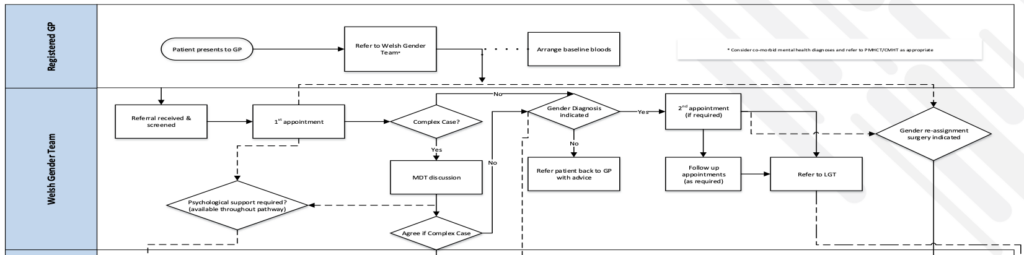
In the post-2019 Welsh Service Specifications that mental health referral was dropped and the post-2019 English requirement to assess potential comorbidities has been changed in the Welsh model to a consideration. The Service Specifications also do not make it clear whether that consideration has to be made by the referring GP or the WGS. Under the Welsh model there is also no requirement for a second appointment before gender incongruence/dysphoria is diagnosed and from that first appointment, patients can be considered for gender surgery.
The Wales Service Specification retains a recommendation for a secondary appointment, stating that “the majority” of patients will get a second assessment, but an article published by the Health and Social Care Research journal in 2024 noted that:
“The WGS pathway requires an opinion from only one gender clinician for a diagnosis to be confirmed. The specialist clinic also operates on the basis that many people can be diagnosed and passed… for initiation of hormone therapy after a single assessment appointment. We heard that around half of the people entering assessment had a treatment plan after a single assessment.”
The same article says WGS clinicians were “critically aware that the diagnostic criteria for gender incongruence… amounted
to making a general judgement that someone was trans – there are no specific or objective indicators”, with one unnamed WGS staff members saying a diagnosis of gender incongruence could be made in “two seconds”.
It is perhaps this information which has caused NHS Wales in 2026 to conclude “many of the safeguards within the assessment process are not being followed in practice.”
Dr Quinney
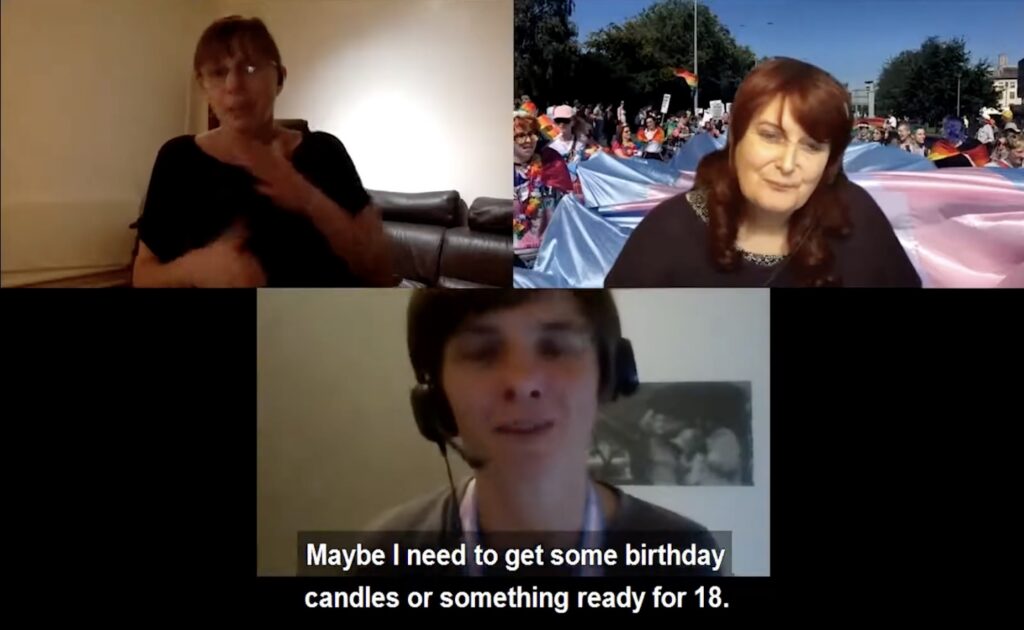
The changes which marked out the Welsh system from the English were deliberate and at the time seen as a major step forward. In December 2020, our old friend Dr Sophie Quinney answered questions on a Pride Cymru podcast. Quinney said the Welsh Gender Service (and by implication, the Service Specification it was operating under) had been developed by “learning from our friends over the border in England to see where things have been done well and things haven’t been done well” in order to try to offer a “first class service”.
During the podcast, the trans host, Kate Hutchinson, notes he was part of the “community” which was involved in shaping the WGS, a process he describes as “fantastic”.
When asked how WGS patients can access “medical” help, Quinney suggests that when it comes to hormones, if a patient is “ready to go at the first appointment, that can be done.” Ready for Quinney means “out to people… living in an authentic way” and “expressing their gender” in a way that is “comfortable”. A patient of this kind could even start discussing surgery with WGS at a first appointment, though, says Quinney “it would depend on what kind of surgery we were talking about”.
Quinney also suggests that someone, if they wanted to, could skip the hormones and go straight to discussions about surgery if that’s what they thought best suited their identity. On the specific question of breast removal, Quinney says that a single opinion from a gender specialist is sometimes enough to send a patient to the chop shop, something deemed “acceptable by all chest surgeons”. Well, of course.
Quinney also endorses the other major change to the new system, saying “we don’t require people to go through the mental health teams. If they’re aged over 17 and a half and over, they can be referred directly now to the Welsh service by their GP… We’ve managed to get rid of the mental health component, which is great. That’s a positive.” Quinney also said that the WGS tries to see teenagers as close to their 18th birthday as possible – perhaps even on the day someone turns eighteen. She jokes: “I need to get some birthday candles or something…”
Guardrails
It is not a stretch to suggest that the more people present as trans, the more will be diagnosed with gender incongruence/dysphoria, the more will be prescribed hormones and the more will be sent to the gender surgeons. If it’s easier to give someone in Wales a diagnosis of gender incongruence/dysphoria than it is in England, it seems more likely that at the other end of the pipe there are going to be more people in Wales referred for surgery.
Unfortunately getting rid of guardrails can produce unsafe outcomes. According to NHS Wales figures again published this week, 1% of WGS mastectomy referrals don’t complete (not exactly staggering), but when it comes removing the gentlemenly giblets (“feminising genital surgeries”), more than a quarter of WGS patients fail to undergo castration (28.5%).
Looking at referrals for phalloplasty (or similar “masculinising genital surgeries” – which may include harvesting skin and fat from a patient’s body, rolling it into a tube and sewing it into the genital area), 70% of the women referred are having second thoughts, or being turned away by the team tasked with carrying out the surgeries.
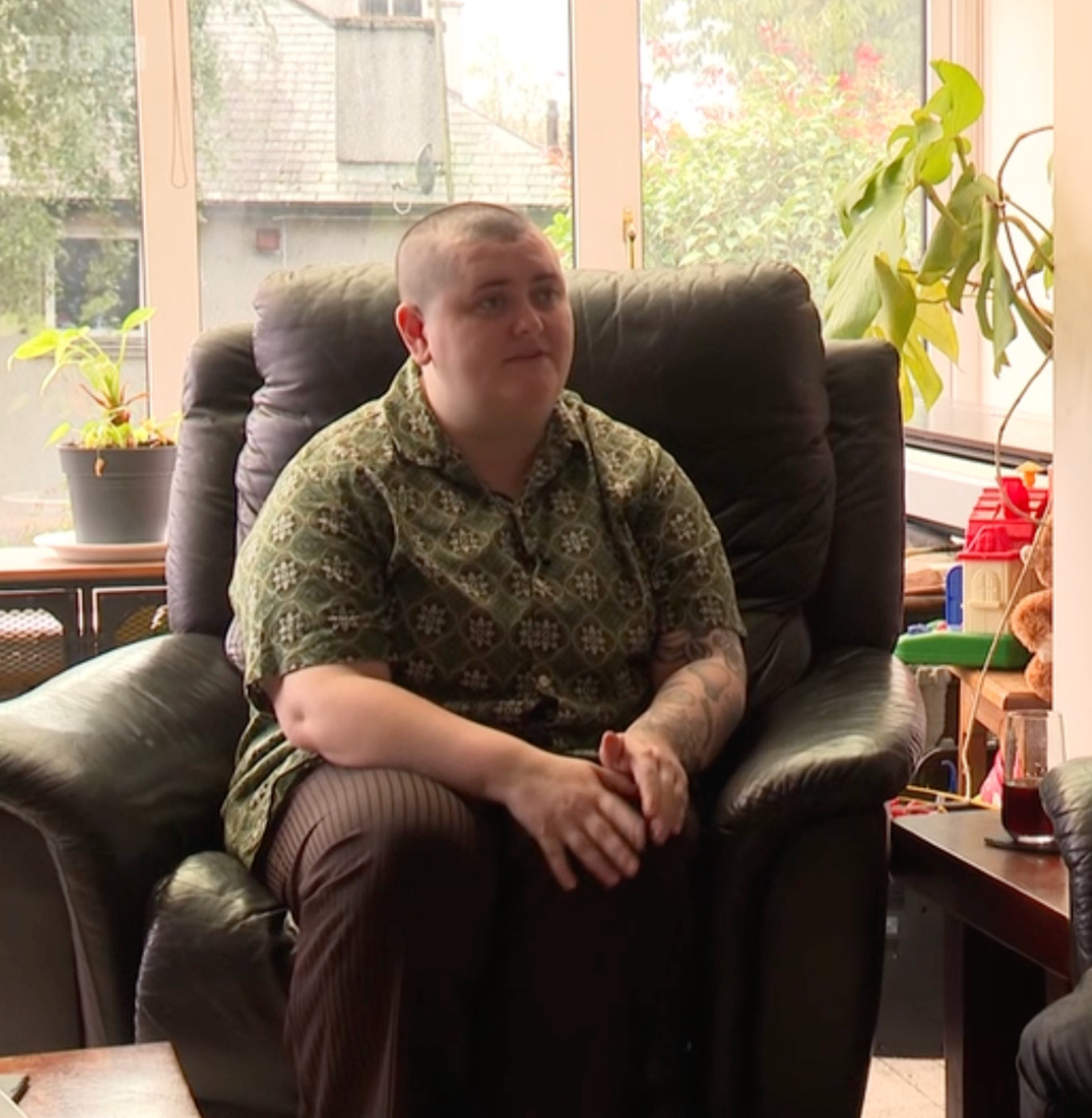
NHS Wales says the multiple and possibly overlapping reasons for “non-progression” include “inappropriate referral; incomplete information; not meeting clinical threshold for surgery; not meeting BMI threshold for surgery; mental health concerns; other clinical conditions; smoking; patient not engaging and patient choice.”
As we speak, the Medical Director of NHS Wales Joint Commissioning Committee has asked NHS Wales’ “surgical lead” to “quantify and evidence the scale of these inconsistencies, comparative to other nations’ referrals, as a follow up to the meeting he had where these concerns were raised with him.”
Something to discuss on Friday.
I am grateful to Big Pete and the What is a Woman website for providing some of the source information for the above. I am also grateful to NHS Wales Joint Commissioning Committee for its commitment to transparency via the regular publication of its agenda papers and meeting minutes.
My work for this blog is funded by donation. If you would like to make a one-off or regular monthly contribution and receive the Gender Blog newsletter and blog posts in your email inbox you can sign up here. Your email address will be stored securely and confidentially, never given to a third party and will only be used to inform you about things I think are interesting. If you have a story, please use the contact form. All messages go directly and securely to my email inbox and will be dealt with in the utmost confidence.
Leave a Reply