
… but the surgery referrals won’t stop.
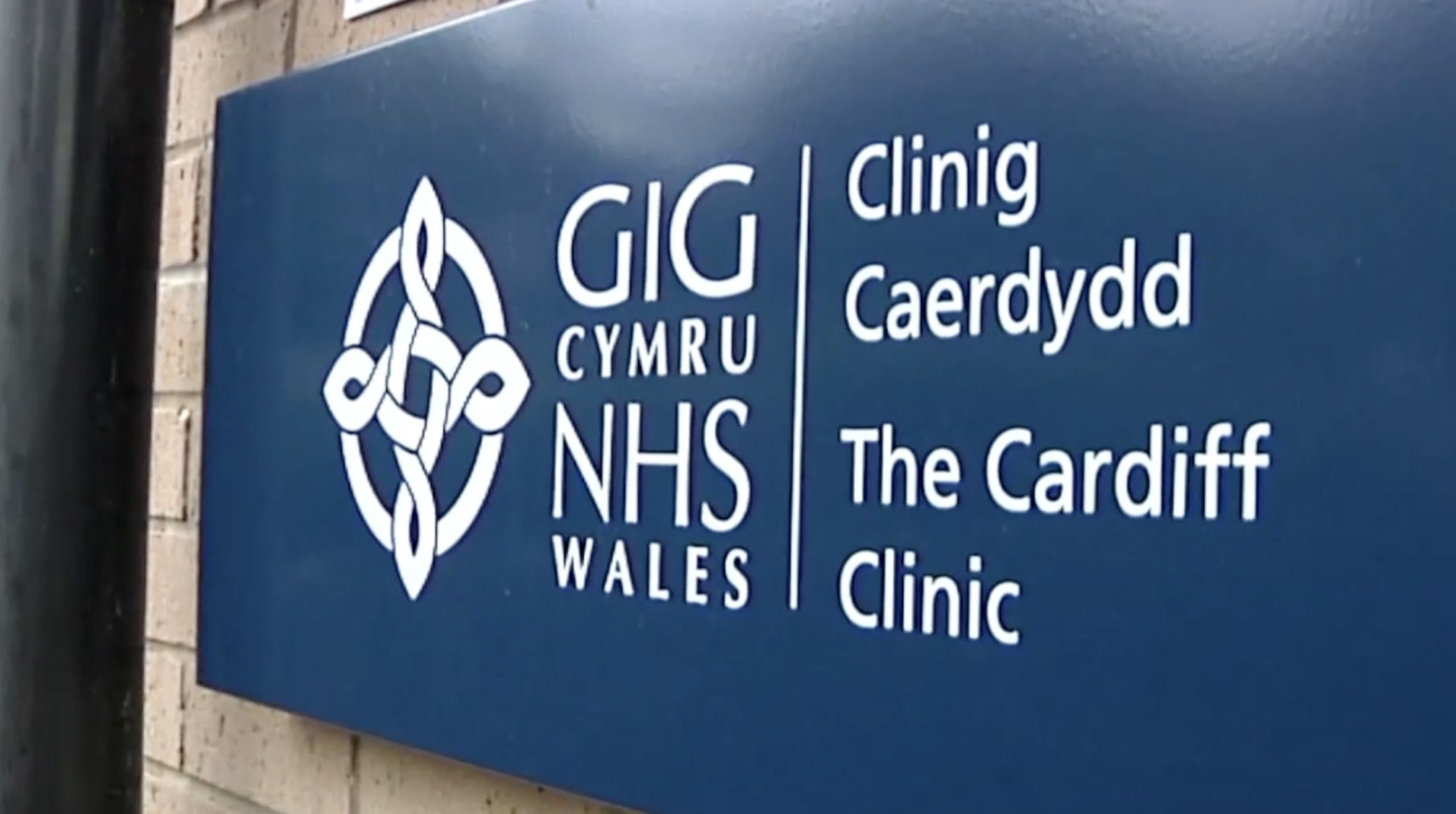
The Welsh Gender Service (WGS) has been described as a “potential Service of Concern” in an internal NHS document published online. A Service of Concern is a formal NHS designation, meaning there has been “significant singular service failures, or cumulative or systemic concerns regarding a service or setting”.
The WGS, based in Cardiff, is the only clinic in Wales allowed to refer NHS patients for genital surgeries and mastectomies. In May, GenderBlog revealed that the WGS was referring adult patients for genital surgeries and mastectomies at three to four times the rate per head of population than other UK clinics. If the Service of Concern process establishes there is “a clear and significant risk to patient safety”, the WGS will go into special measures.
The first official acknowledgment that NHS Wales might have a rogue outfit on its hands has been set out in an agenda item for the Quality, Safety and Outcomes Sub-Committee of the NHS Wales Joint Commissioning Committee (JCC), which is due to meet on Monday. The JCC represents all seven Health Boards in Wales and is responsible for commissioning NHS adult gender services in Wales. Monday’s Quality, Safety and Outcomes Sub-Committee agenda item says the WGS is “currently under consideration as a potential Service of Concern, reflecting issues identified through ongoing review and assurance processes. These include higher rates of surgical referral than seen in comparable services in England and concerns regarding referral appropriateness.”
Other mysterious “issues”
An independent review into the WGS was ordered by the NHS Wales Joint Commissioning Committee in July 2024. It has yet to start. Since the beginning of 2024, the WGS has sent a minimum of 441 women for “Masculinising Chest Surgery” (mainly, but not limited to double mastectomies). It sent a minimum of 311 men to have their genitals removed and/or a hole dug between their legs to act as a receptacle for someone else’s penis (“Feminising Genital Surgery”) and a minimum of 102 women to potentially have a hysterectomy, their vaginas sewn shut and a tube-shaped roll of skin and fat attached to their bodies (“Masculinising Genital Surgery”).
I have gone deeper into the figures here, but by way of example, Scotland’s four NHS adult gender clinics sent a maximum of 264 women for chest surgery over 2024 and 2025, despite having a significantly larger population than Wales. We don’t yet know how many referrals there have been in 2026.
The Welsh statistics are startling, but they are not the only reason for identifying the WGS as a potential service of concern. The agenda item notes other “issues” have been identified “through ongoing review and assurance processes”. I asked NHS Wales what they are and was told “matters have been identified through NHS Wales JCC’s routine review and assurance processes. These processes are designed to ensure appropriate scrutiny and oversight where further discussion or investigation is required… NWJCC is actively considering these matters through its established governance arrangements”. Much clearer. Thanks.
Don’t Stop Chopping
Alarmingly, Monday’s Quality, Safety and Outcomes Sub-Committee agenda item informs the JCC that the independent review into the WGS “will focus primarily on assessment, referral and non-surgical aspects of the pathway, while considering relevant pathway interfaces and engaging key stakeholders, including health boards, partner organisations, patients and carers.” [my italics]
It’s not clear exactly what this entails, but NHS Wales have given no indication they will pause surgery referrals or scheduled surgeries whilst the review is ongoing (even though there is a broad precedent for this at NHS Lothian). When I put the question to NHS Wales directly, they ignored it. When I went back to them and said that if they did not give me a clear response I would assume the surgeries and surgery referrals were still going ahead during the review, they replied:
“As of today, the service continues to operate under its existing arrangements. NWJCC is aware of the matters that have been raised, which is why they have been escalated through our established governance and clinical processes.”
So, as things stand, the surgeries and surgery referrals continue.
This is traumatising for families. One parent, whose adult child is scheduled to have a vaginoplasty in October after a referral from the WGS, is distraught with worry. Her son is autistic and has developmental issues amongst several other serious co-morbidities. The parent, who did not want to be named, told me she found the WGS a difficult organisation to deal with:
“They’re negligent and quite aggressive actually. Tunnel-visioned and very self-important. They’re not behaving in a clinical way. They’ve got an agenda.” I asked her if she thought the WGS is causing patients harm. “Absolutely. They don’t consider the person or the families involved. They’re just hell-bent on getting these kids through their treatment – onto hormones and onto the theatre table, basically. They’re brutal.”
“She made me feel like I was an enemy“
The head of the Welsh Gender Service, Dr Sophie Quinney, is an avowed activist, who has stated her commitment to helping her patients get what they are demanding, be it drugs and/or surgery. She was recently (rather gently) admonished by the General Medical Council for grabbing a videographer’s phone out of his hand at a demo in April.

Dr Quinney’s bedside manner was singled out for criticism by the parent whose son is going under the knife in October. “She scared me. She made me feel intimidated and distressed. She made me feel quite desperate. I remember the secretary trying to comfort me there one day. She made me feel like I was an enemy, and I am only trying to care for my son.”
The parent cannot believe her son’s operation is not being put back whilst the review into WGS is being carried out. “It’s criminal. If they’re going to put people through those operations before knowing the outcome of the review… then as I far as I’m concerned that’s a criminal act. It’s totally irresponsible.”
In May, during a regular JCC meeting set up to discuss every aspect of care provided by NHS Wales, the chair of the JCC highlighted his “specific responsibility” to the Welsh Health Secretary to “make sure… that I was keeping him sighted” on the progress of the WGS review. I have asked the Welsh government why the Health Secretary is so interested in this review and what he thinks of the refusal to suspend referrals for surgery.
Natasha Asghar MS, the Conservative spokeswoman for Health at the Welsh Parliament said:
“Patient safety is paramount. Until the independent review has established that the pathway is safe, robust, and clinically appropriate, I believe NHS Wales should consider pausing new referrals for irreversible surgery as a precaution.
“It cannot be right for NHS Wales to acknowledge that there are significant concerns about a service’s referral practices while, at the same time, allowing those practices to continue without explaining what additional safeguards are in place. Patients and their families deserve that assurance.”
The independent review of the Welsh Gender Service, once it gets going, is expected to report before the end of the year.
Thanks to a number of people (who have to remain anonymous) for their assistance with this piece. It has taken the best part of two days to put this article together. My work here is entirely funded by donation. If you would like to make a one-off or regular monthly contribution and receive the Gender Blog newsletter and blog posts in your email inbox you can sign up here. Your email address will be stored securely and confidentially, never given to a third party and will only be used to inform you about things I think are interesting. If you have a story, please use the contact form. All messages go directly and securely to my email inbox and will be dealt with in the utmost confidence.


Leave a Reply